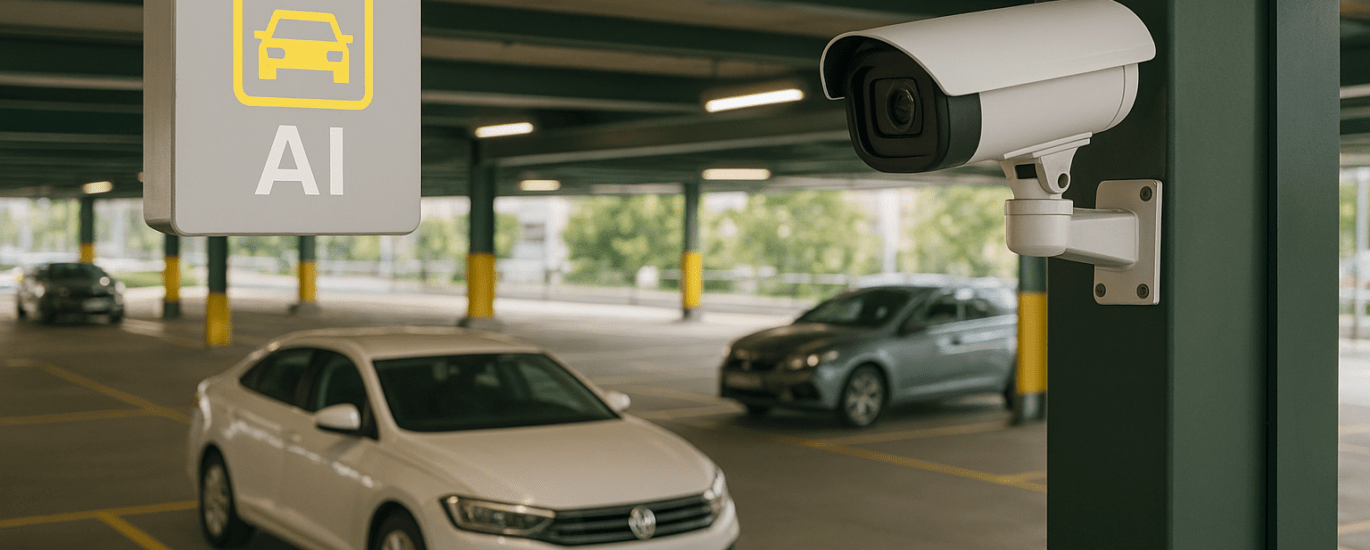
What is AI CCTV?
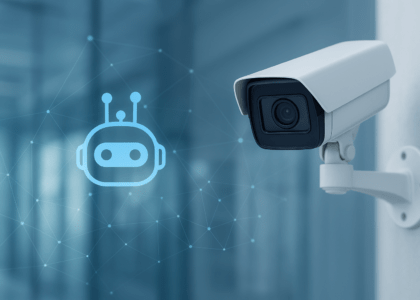
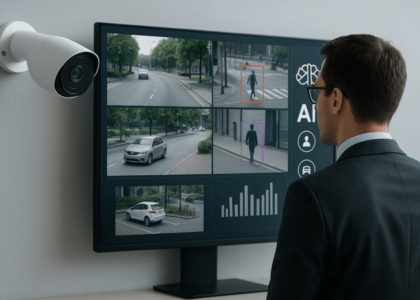
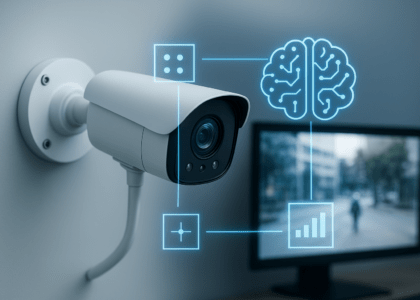
AI CCTV refers to adding intelligent video analytics to traditional camera systems so they do more than record footage. Instead of passive recording, AI models can analyse video and flag potentially important events for further review or action.
Practical capabilities that can be designed to support
- Person and vehicle detection
- Movement and restricted‑area activity detection
- People counting and crowd monitoring
- Unattended object detection
- Facial recognition and ANPR (number‑plate recognition) as optional features to explore
- Real‑time alerts and event-driven pipelines
Where AI CCTV brings value
AI video analytics can be applied across many environments: retail stores, clinics, real estate sites, educational campuses and other commercial properties that already have CCTV. The goal is to turn continuous video into actionable events so security teams and operators can prioritise attention.
Important technical considerations
Renbotics AI can enhance existing CCTV infrastructure, but compatibility and performance depend on the current setup. A technical assessment helps determine whether your installation is best served by analytics at the edge, a hybrid approach, or cloud‑based processing, and whether analog, IP, or hybrid camera networks need adaptation.
How to get started in Delhi
If you’re based in Delhi and want to explore an AI CCTV upgrade, Renbotics AI can provide a site assessment and a proposed pilot tailored to your needs. The assessment typically covers camera compatibility, event priorities, and a roadmap for a pilot.
Next steps
To discuss an assessment or pilot, visit renbotics.in or contact the Delhi office at:
307, Sikka Plaza, Mayur Vihar – 1, Delhi, India
Email: prashant.kumar@renbotics.in
Phone: +91 9911028272
Conclusion
AI CCTV can be designed to make existing camera systems more useful by highlighting events that need attention. If you want to explore how this applies to your site in Delhi, request a technical assessment to understand compatibility, use cases and next steps.